Introduction
The unsent message project has emerged as a unique and powerful way to explore human emotions and communication. In a world dominated by instant messaging and social media, people often experience thoughts and feelings they never share. The unsent message project provides a creative outlet for those unspoken words, allowing participants to write messages that they will never actually send. Through this project, individuals confront hidden emotions, process past experiences, and reflect on personal relationships. Unlike typical journaling or therapy, the unsent message project emphasizes the beauty of words left unsaid, capturing raw honesty in a way that can be deeply therapeutic.
The unsent message project is not just about writing; it’s about self-discovery and understanding the human psyche. Participants often realize that the messages they never sent carry more weight than those they did. This process can reveal suppressed feelings, unresolved conflicts, or even unexpressed love. By engaging with the unsent message project, people gain insight into their own emotional world and develop a deeper understanding of their personal experiences. In many ways, the unsent message project acts as a bridge between the conscious mind and the emotions we often hide from ourselves.
Moreover, the unsent message project highlights the modern challenges of communication. In today’s digital age, messages can be sent instantly, but not everything needs to be shared. The unsent message project encourages reflection, showing that sometimes the act of writing is more important than the act of sending. This principle makes the project relevant for anyone looking to explore self-expression in a meaningful way. Whether used as a personal journal or a public submission, the unsent message project creates a safe space for honesty, introspection, and emotional healing.
The Origins of The Unsent Message Project
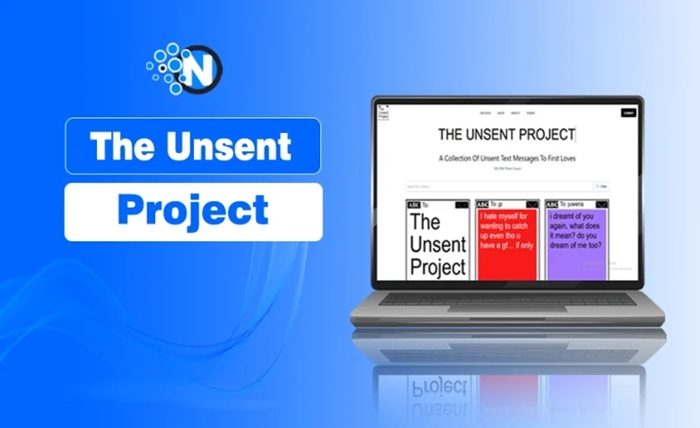
The concept behind the unsent message project can be traced to the universal human experience of unexpressed thoughts. People have always written letters, diary entries, or notes they never intended to share, but the unsent message project formalizes this practice for a modern audience. The project gained popularity online, where communities of writers, artists, and everyday people share unsent messages anonymously. This anonymity allows individuals to express feelings they might fear revealing in real life. The unsent message project, therefore, taps into a collective need to process emotions safely and creatively.
The unsent message project was inspired by the idea that every person carries unspoken narratives, unresolved emotions, and memories that linger silently. Traditional forms of communication may not accommodate such expressions, but the unsent message project provides a structured, reflective approach. By creating a framework for these messages, the project transforms private reflections into a shared cultural phenomenon. Many participants have reported emotional relief, self-understanding, and even closure after contributing to the unsent message project.
Additionally, the unsent message project has been influenced by literature and psychology. Famous authors and psychologists alike have highlighted the therapeutic effects of writing as a form of emotional release. The unsent message project builds upon this insight, offering a practical, accessible platform for anyone to explore their inner life. By acknowledging that not all words must be communicated directly to others, the unsent message project reinforces the idea that personal growth often begins with self-expression.
How The Unsent Message Project Works
The unsent message project is simple yet profoundly impactful. Participants write messages they will never actually send, often addressed to people they know, loved ones they have lost, or even themselves. These messages can take the form of letters, emails, text messages, or diary entries. The unsent message project encourages honesty and vulnerability, allowing individuals to explore emotions without fear of judgment. By not sending these messages, participants can freely articulate feelings that might otherwise remain buried.
Most submissions to the unsent message project are shared anonymously online, creating a sense of community. Readers can relate to the emotions conveyed, realizing that their own unspoken thoughts are not unique. The unsent message project, therefore, fosters empathy and connection among strangers. Participants often find comfort in seeing that others experience similar struggles, regrets, or unexpressed love. This aspect makes the unsent message project not only a personal exercise but also a collective emotional exploration.
The unsent message project also allows for creative expression. People often use storytelling, poetry, or reflective writing techniques to craft their messages. The process itself is therapeutic, helping participants clarify their thoughts and confront unresolved feelings. Whether writing about grief, anger, longing, or gratitude, the unsent message project provides a safe and meaningful way to process emotions. By focusing on the act of writing rather than sending, the project highlights the importance of introspection and personal growth.
Emotional Benefits of The Unsent Message Project
Engaging with the unsent message project can have profound emotional benefits. Writing unsent messages allows individuals to process complex feelings that are difficult to articulate in everyday life. Many participants report a sense of relief, emotional release, and increased self-awareness after completing their messages. The unsent message project acts as a mirror, reflecting the inner emotional landscape and encouraging deeper understanding.
One of the most significant benefits of the unsent message project is emotional clarity. By articulating thoughts without concern for how they might be received, participants can explore their feelings more honestly. The unsent message project removes external pressures and expectations, creating a space for authentic emotional expression. This clarity often leads to personal growth, stronger self-awareness, and improved emotional resilience.
The unsent message project also provides a form of catharsis. Emotions that have been suppressed or ignored often find release through writing. The simple act of expressing these emotions, even without sending them, can reduce anxiety, frustration, and emotional burden. Participants in the unsent message project often describe a newfound sense of peace and understanding after engaging with their unsent words. In this way, the unsent message project becomes not just a writing exercise but a vital tool for mental and emotional well-being.
The Unsent Message Project and Personal Growth
The unsent message project is more than a therapeutic tool—it’s a pathway to personal growth. By confronting unspoken thoughts and emotions, participants gain insight into their own behavior, desires, and fears. This self-reflection encourages accountability, self-compassion, and emotional intelligence. The unsent message project, therefore, serves as a catalyst for meaningful change and self-improvement.
Participants often find that the unsent message project helps them understand past relationships, regrets, and missed opportunities. By revisiting these experiences in writing, individuals can gain perspective and learn from them. The unsent message project encourages not only reflection but also acceptance, helping participants reconcile with their past. Over time, this process can strengthen resilience and foster a healthier approach to future interactions.
The unsent message project also promotes self-expression and creativity. Participants explore various writing styles, narrative techniques, and emotional tones. This exploration enhances communication skills and encourages a deeper appreciation for language as a tool for personal growth. The unsent message project proves that writing, even when unsent, can transform the way we perceive ourselves and the world around us.
Community and Connection Through The Unsent Message Project
While the unsent message project focuses on personal reflection, it also creates a sense of community. Many platforms allow participants to share messages anonymously, giving others the chance to read, empathize, and connect. This shared vulnerability fosters a sense of belonging and reduces feelings of isolation. The unsent message project demonstrates that unspoken words, even when not directed at a specific individual, can resonate deeply with others.
Readers of the unsent message project often report feeling moved, inspired, or comforted by the messages they encounter. Recognizing common experiences, regrets, and emotions fosters empathy and understanding across diverse backgrounds. The unsent message project, therefore, serves as a bridge between private introspection and collective human experience.
In addition, the unsent message project encourages dialogue about emotional expression in a society that often discourages vulnerability. By normalizing the sharing of unspoken words, the project challenges cultural taboos and promotes emotional literacy. Participants and readers alike benefit from the unsent message project, as it cultivates compassion, self-reflection, and meaningful connection.
How to Start Your Own Unsent Message Project
Starting your own unsent message project is simple and accessible. Begin by setting aside time to write without distractions. Choose a recipient, whether real or imagined, and focus on your true feelings. The unsent message project encourages honesty above all, so resist the urge to censor yourself. Write freely, knowing that the message will remain private unless you choose to share it.
You can participate in the unsent message project online by submitting messages to websites or social media platforms dedicated to the practice. Alternatively, you can keep a personal journal as part of your own unsent message project. Both approaches offer emotional benefits and foster introspection. The unsent message project can be adapted to suit your lifestyle, emotional needs, and creative preferences.
Consistency enhances the impact of the unsent message project. Set a regular schedule for writing unsent messages, whether daily, weekly, or monthly. Over time, this practice can reveal patterns in your emotions, provide clarity, and strengthen your capacity for self-expression. The unsent message project proves that personal growth, healing, and emotional understanding often begin with a single, unspoken message.
Conclusion
The unsent message project has emerged as a powerful tool for emotional expression, self-discovery, and personal growth. By allowing individuals to write messages that will never be sent, the project highlights the importance of introspection, vulnerability, and authenticity. Participants benefit from emotional release, increased self-awareness, and a deeper understanding of their own experiences.
Beyond individual benefits, the unsent message project fosters community, empathy, and connection. Through anonymous sharing, readers can relate to the unspoken words of others, recognizing universal themes of love, regret, longing, and forgiveness. The unsent message project demonstrates that even words left unsent have the power to inspire, heal, and unite.
Whether approached as a personal practice, a creative exercise, or a shared online experience, the unsent message project invites reflection, emotional exploration, and meaningful engagement. Its enduring impact lies in the realization that the act of expressing oneself—regardless of delivery—is often more transformative than the message itself. The unsent message project, in this way, continues to redefine communication, vulnerability, and human connection.
FAQs
1. What is the unsent message project?
The unsent message project is a creative and therapeutic practice where individuals write messages they never intend to send. It emphasizes reflection, emotional processing, and self-expression.
2. Who can participate in the unsent message project?
Anyone can participate in the unsent message project. There are no restrictions based on age, background, or writing experience. The focus is on honesty and emotional exploration.
3. Are the messages in the unsent message project shared publicly?
Some participants share messages anonymously online, while others keep them private. The unsent message project allows flexibility depending on comfort levels and goals.
4. What are the benefits of the unsent message project?
The unsent message project offers emotional release, self-discovery, improved communication skills, and the chance to process complex feelings safely.
5. How can I start my own unsent message project?
Set aside dedicated time for writing, focus on honesty, and write messages without the intention of sending them. You can keep them private or share anonymously online as part of your unsent message project.