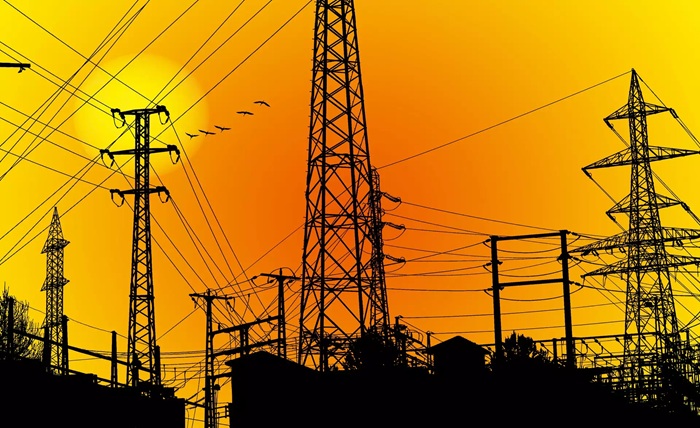
The concept of har ghar bijli has become a pivotal goal for modern India, focusing on providing uninterrupted electricity to every household. Access to electricity is no longer a luxury but a necessity for health, education, and economic growth. The har ghar bijli initiative seeks to bridge the energy gap and ensure that every family, irrespective of their location, benefits from reliable power supply. By implementing advanced infrastructure and modern technology, har ghar bijli aims to empower communities and support national development goals.
The Importance of Har Ghar Bijli in Rural Development
Rural areas have historically faced challenges in accessing electricity, which has hindered growth and modernization. The har ghar bijli program focuses on extending power grids and renewable energy solutions to remote villages. Reliable electricity improves education through better lighting in schools, boosts healthcare by powering medical equipment, and enhances agricultural productivity. Har ghar bijli transforms rural life, ensuring that communities can access modern conveniences and participate in the economic mainstream.
How Har Ghar Bijli Promotes Economic Growth
Electricity is a cornerstone of economic development. By achieving har ghar bijli, households can power small businesses, workshops, and home-based industries, creating employment opportunities. Access to electricity also supports the growth of digital economies, as families can use computers, mobile devices, and internet services. The har ghar bijli initiative stimulates local economies, reduces dependency on costly and polluting alternatives, and fosters entrepreneurship across urban and rural areas.
Renewable Energy and Har Ghar Bijli
Sustainability is a critical component of the har ghar bijli mission. Integrating solar panels, wind turbines, and other renewable energy sources ensures that electricity is not only accessible but also environmentally friendly. Rural households, in particular, benefit from solar-powered solutions that complement the main grid. The emphasis on clean energy in the har ghar bijli program reduces carbon footprints, promotes eco-friendly practices, and guarantees long-term energy security for every household.
Government Policies Driving Har Ghar Bijli
The success of har ghar bijli largely depends on strong government support and policies. Programs like Saubhagya and other rural electrification initiatives are instrumental in providing subsidies, modernizing grids, and ensuring equitable distribution of electricity. The government also encourages public-private partnerships to accelerate the har ghar bijli vision. Policy frameworks that prioritize infrastructure development, maintenance, and affordability are key to making har ghar bijli a nationwide reality.
Technological Innovations Supporting Har Ghar Bijli
Advancements in technology play a vital role in achieving har ghar bijli. Smart grids, efficient transformers, and energy storage systems enhance the reliability and stability of electricity supply. Additionally, innovations like remote monitoring, AI-based energy management, and predictive maintenance help reduce power outages. By leveraging technology, the har ghar bijli initiative ensures that electricity reaches every home efficiently and sustainably, even in challenging terrains and densely populated areas.
Social and Educational Impact of Har Ghar Bijli
Access to electricity through har ghar bijli significantly improves social and educational outcomes. Students can study after sunset, digital literacy programs become feasible, and schools can operate efficiently with proper lighting and equipment. Socially, electrified homes enable better communication, access to information, and entertainment, enhancing quality of life. The har ghar bijli program empowers women, improves health outcomes, and fosters inclusive development by bridging the urban-rural divide.
Challenges and Future of Har Ghar Bijli
Despite its many benefits, the har ghar bijli initiative faces challenges such as funding constraints, infrastructure maintenance, and ensuring electricity affordability. Remote regions, forested areas, and disaster-prone zones require special attention. However, with persistent policy support, technological innovation, and community participation, the vision of har ghar bijli is achievable. The future of India depends on electrifying every home, creating a connected, empowered, and progressive nation.
Conclusion
The har ghar bijli initiative is more than just providing electricity; it represents progress, equality, and opportunity for every Indian household. From enhancing education and healthcare to boosting economic growth and sustainability, har ghar bijli transforms lives. Ensuring universal electricity access is a shared responsibility that requires collaboration between government, private sector, and communities. By supporting har ghar bijli, India takes a significant step toward modern infrastructure, social upliftment, and national development.
FAQs
1. What is the main objective of the Har Ghar Bijli initiative?
The main objective of har ghar bijli is to provide uninterrupted electricity to every household across India, improving living standards and economic opportunities.
2. How does Har Ghar Bijli benefit rural communities?
Har ghar bijli enhances education, healthcare, agriculture, and small businesses in rural areas, bridging the development gap between urban and rural regions.
3. What role do renewable energy sources play in Har Ghar Bijli?
Renewable energy sources like solar and wind power ensure sustainable electricity supply, reduce environmental impact, and complement the main electricity grid in the har ghar bijli program.
4. Which government programs support Har Ghar Bijli?
Programs like Saubhagya, rural electrification schemes, and public-private partnerships support the har ghar bijli initiative by funding infrastructure, providing subsidies, and improving electricity distribution.
5. What are the future challenges for Har Ghar Bijli?
Challenges include funding, infrastructure maintenance, accessibility in remote areas, and ensuring affordable electricity. Continued innovation and policy support are key to overcoming these obstacles.