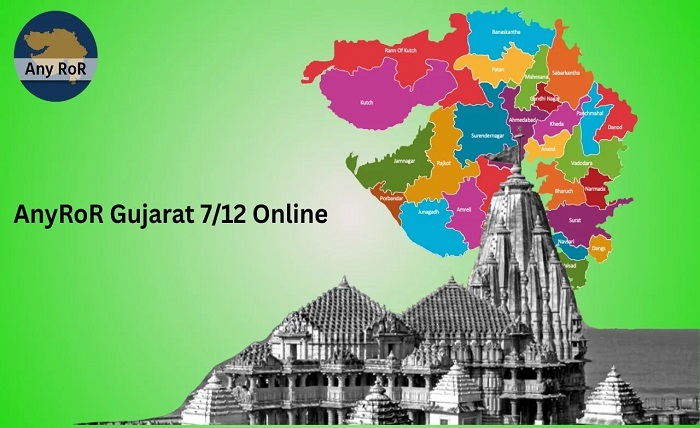
The term anyror 7/12 utara refers to an important land record document available online in Gujarat that contains detailed information about land ownership, cultivation, and legal status. The anyror 7/12 utara is commonly used by landowners, farmers, buyers, and financial institutions to verify land details before making transactions. It acts as official proof of ownership and agricultural usage, making anyror 7/12 utara one of the most essential property documents in rural and semi-urban areas.
The anyror 7/12 utara includes two main forms combined into one document: Form 7 and Form 12. Form 7 in the anyror 7/12 utara contains details about the owner and their rights, while Form 12 in the anyror 7/12 utara includes information about crops grown and land usage. Because of this combined information, anyror 7/12 utara is often requested during land sales, bank loan applications, and legal disputes.
For farmers, the anyror 7/12 utara is more than just paperwork because it directly impacts agricultural subsidies, crop insurance, and government schemes. Without a valid anyror 7/12 utara, it can be difficult to prove land ownership or cultivation history. That is why understanding the importance of anyror 7/12 utara is crucial for anyone dealing with land in Gujarat.
How to Check anyror 7/12 utara Online Step-by-Step
Accessing anyror 7/12 utara online has become simple thanks to Gujarat’s digitized land record system. To check anyror 7/12 utara, you need to visit the official land records portal and select the appropriate district, taluka, and village. Once you enter the survey number or owner name, the anyror 7/12 utara details will appear on your screen.
The online system for anyror 7/12 utara allows users to search by multiple criteria, including survey number, khata number, or owner name. After entering the required details, you can view the complete anyror 7/12 utara document in digital format. This digital access ensures transparency and reduces the need to visit government offices for a physical copy of anyror 7/12 utara.
After viewing the anyror 7/12 utara online, users can download or print the document for reference. While the online anyror 7/12 utara copy is useful for personal verification, some official processes may still require a certified copy of anyror 7/12 utara from the revenue department. Nonetheless, the digital system has made checking anyror 7/12 utara faster and more convenient.
Key Details Included in anyror 7/12 utara
The anyror 7/12 utara contains detailed ownership information, including the name of the landholder, type of ownership, and share of each co-owner. This ownership data in anyror 7/12 utara helps prevent disputes and clarifies legal rights over agricultural land. Buyers often verify these details in the anyror 7/12 utara before finalizing any property deal.
Another important section in anyror 7/12 utara includes land measurement and classification. The anyror 7/12 utara specifies the total land area, irrigation type, soil type, and whether the land is agricultural or non-agricultural. This classification in anyror 7/12 utara is crucial when applying for land conversion or construction permissions.
The crop details mentioned in anyror 7/12 utara are equally important because they show the type of crops grown in a particular season. Banks often check the crop information in anyror 7/12 utara before approving agricultural loans. Additionally, the anyror 7/12 utara may include remarks about loans, legal disputes, or government acquisition notices.
Benefits of Using anyror 7/12 utara Online
One major benefit of anyror 7/12 utara online access is transparency in land transactions. Since anyror 7/12 utara is publicly accessible, buyers can verify ownership details before purchasing land. This reduces fraud and ensures that anyror 7/12 utara reflects accurate and updated information.
Another advantage of anyror 7/12 utara is time savings. Instead of visiting government offices and waiting in long queues, users can check anyror 7/12 utara from home. The digital system for anyror 7/12 utara minimizes paperwork and speeds up verification processes.
The availability of anyror 7/12 utara online also supports financial inclusion for farmers. Banks and financial institutions rely on anyror 7/12 utara to confirm land ownership before issuing loans. Because anyror 7/12 utara is easily accessible, farmers can quickly provide necessary documentation for agricultural credit and subsidies.
Common Uses of anyror 7/12 utara in Legal and Financial Matters
The anyror 7/12 utara is frequently used in property sale transactions to confirm that the seller has legal ownership rights. Before registering a land sale, lawyers and buyers review the anyror 7/12 utara to ensure there are no pending disputes or claims. This makes anyror 7/12 utara a critical document in real estate dealings.
In legal disputes, the anyror 7/12 utara serves as supporting evidence in court. When ownership conflicts arise, the anyror 7/12 utara helps establish historical records of possession and cultivation. Judges and legal authorities often refer to anyror 7/12 utara to determine rightful ownership.
Financial institutions also depend on anyror 7/12 utara when processing agricultural loans. Since anyror 7/12 utara contains details about land area and crops, it helps banks assess loan eligibility. Insurance companies may also use anyror 7/12 utara to verify crop details before approving claims.
How to Download and Print anyror 7/12 utara Safely
To download anyror 7/12 utara, users must first access the official land records portal and complete the search process. Once the anyror 7/12 utara appears on the screen, there is usually an option to print or save the document as a PDF. Saving the anyror 7/12 utara file ensures that you have a digital backup for future use.
When printing anyror 7/12 utara, it is important to verify that all details are clearly visible, including survey number and ownership information. A clear printout of anyror 7/12 utara helps avoid confusion during official submissions. However, remember that the online anyror 7/12 utara copy may not always be considered a certified legal document.
For official purposes, you may need to obtain a certified copy of anyror 7/12 utara from the local revenue office. While the online anyror 7/12 utara is sufficient for general verification, certain banks and government departments may request a stamped version of anyror 7/12 utara.
Important Things to Remember About anyror 7/12 utara
It is essential to regularly check anyror 7/12 utara to ensure that the information is accurate and updated. Errors in anyror 7/12 utara, such as incorrect names or land measurements, can create legal complications. If you find mistakes in anyror 7/12 utara, you should apply for correction through the appropriate revenue authority.
Another important point about anyror 7/12 utara is that it reflects historical land records but does not always guarantee clear title. While anyror 7/12 utara shows ownership details, buyers should also verify additional documents before completing a transaction. Relying solely on anyror 7/12 utara without legal verification can be risky.
Understanding the legal value of anyror 7/12 utara is crucial for property owners and buyers alike. Though anyror 7/12 utara is an important document, it should be used along with sale deeds, encumbrance certificates, and other legal records for complete property verification.
Conclusion
In summary, anyror 7/12 utara plays a vital role in maintaining transparent and accessible land records in Gujarat. From verifying ownership to applying for agricultural loans, anyror 7/12 utara serves multiple purposes for farmers, buyers, and financial institutions. The digitization of anyror 7/12 utara has simplified land record access and reduced administrative delays.
Whether you are planning to buy land, apply for a bank loan, or verify ownership details, anyror 7/12 utara is an essential document you should review carefully. By understanding how to check, download, and use anyror 7/12 utara properly, you can avoid legal complications and ensure secure land transactions.
FAQs
1. What is the purpose of anyror 7/12 utara?
The main purpose of anyror 7/12 utara is to provide detailed information about land ownership, cultivation, and legal status. The anyror 7/12 utara acts as official proof of agricultural land records and is widely used in property transactions and loan applications.
2. Is anyror 7/12 utara legally valid?
The online anyror 7/12 utara copy is useful for verification, but for official purposes, a certified anyror 7/12 utara from the revenue office may be required. However, anyror 7/12 utara is recognized as an important land record document in Gujarat.
3. Can I check anyror 7/12 utara using my name?
Yes, you can search for anyror 7/12 utara using the owner’s name, survey number, or khata number on the official portal. The online system makes it easy to find anyror 7/12 utara without visiting government offices.
4. Is anyror 7/12 utara required for agricultural loans?
Yes, banks typically require anyror 7/12 utara to verify land ownership and crop details before approving agricultural loans. The information in anyror 7/12 utara helps financial institutions assess eligibility and risk.
5. How often should I verify my anyror 7/12 utara details?
It is advisable to check anyror 7/12 utara regularly, especially after land transactions or inheritance changes. Keeping your anyror 7/12 utara updated ensures accurate records and prevents future legal issues.