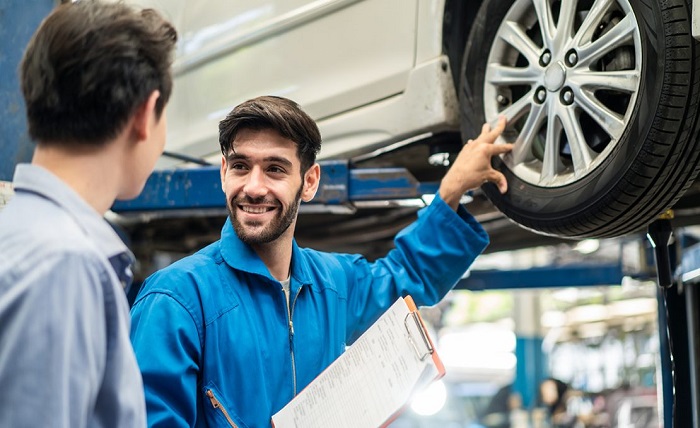
India’s car service industry has evolved rapidly over the last decade, driven by rising car ownership, digital innovation, and changing consumer expectations. Once dominated by local garages and dealership workshops, the market has transformed into a dynamic ecosystem of organized service centers, mobile repair platforms, and technology-driven startups. Today, convenience, transparency, and quality are redefining how Indians maintain their vehicles.
An Expanding Market Fueled by Mobility Growth
With over 40 million passenger vehicles on Indian roads and counting, the demand for reliable car servicing has never been higher. As middle-class incomes rise and urban mobility expands, more people are purchasing vehicles for personal use. This growth has created a massive opportunity for the automotive aftermarket sector, including repair, maintenance, detailing, and parts replacement.
According to market research reports, the Indian car service industry is valued at over USD 10 billion and is expected to grow steadily at 8–10% annually. Major metropolitan areas such as Delhi, Mumbai, Bengaluru, and Hyderabad have seen a surge in organized service providers that challenge the dominance of traditional roadside mechanics, offering customers easier scheduling systems and slot terbaru options for faster, more convenient service.
The Shift from Unorganized to Organized Services
For decades, car servicing in India was largely unorganized. Independent garages and neighborhood mechanics provided affordable repairs but often lacked transparency, standardization, and reliability. However, consumer awareness and rising expectations have driven a shift toward professional, technology-enabled service networks.
Brands like GoMechanic, Pitstop, and Carz Care have transformed the industry by offering standardized pricing, digital diagnostics, and warranties on parts and labor. These startups operate on hybrid models combining physical workshops with online booking and doorstep services offering the convenience modern car owners seek.
Meanwhile, automakers have strengthened their authorized service centers network, emphasizing customer satisfaction and retention. Many now provide digital appointment systems, real-time service updates, and extended maintenance packages to ensure trust and transparency.
Technology and Innovation on the Fast Lane
Technology is at the heart of the industry’s modernization. The rise of connected cars and IoT-based diagnostics has revolutionized how vehicles are maintained. Many service providers now use mobile apps to track vehicle health, schedule maintenance reminders, and offer instant quotes.
Doorstep servicing has also gained popularity, especially in urban areas. Mobile vans equipped with tools and trained technicians perform oil changes, battery replacements, and minor repairs right at customers’ homes or offices saving time and hassle.
Artificial intelligence (AI) and data analytics are being used to predict mechanical failures, manage spare parts inventory, and improve service efficiency. Much like a spaceman relying on advanced systems to navigate the unknown, these digital tools are not only enhancing customer convenience but also creating new business models that integrate insurance, warranty, and finance services.
Challenges in a Competitive Landscape
Despite impressive progress, the industry faces significant challenges. The unorganized sector still accounts for nearly 70% of total car services, primarily due to cost-sensitive customers in smaller cities. Standardizing quality across such a diverse market remains difficult.
Additionally, finding and retaining skilled technicians is a growing concern. As cars become more technologically advanced especially electric and hybrid vehicles service providers must invest in continuous training and specialized tools.
Supply chain disruptions and counterfeit spare parts also pose risks, affecting customer confidence and safety. Strengthening regulation and promoting genuine OEM parts will be crucial for the industry’s credibility and long-term sustainability.
The Electric Vehicle (EV) Revolution and the Road Ahead
India’s shift toward electric mobility is set to redefine the car service landscape once again. EVs require different expertise fewer moving parts but greater focus on battery systems, software, and charging infrastructure.
Service providers are already preparing for this transition. Many workshops are investing in EV-ready equipment and technician training. Automakers like Tata Motors, MG, and Mahindra are partnering with specialized service networks to ensure reliable after-sales support.
As the government pushes for EV adoption through incentives and infrastructure development, the car service industry will need to adapt quickly balancing traditional combustion-engine maintenance with the growing demand for EV servicing.
Conclusion
The car service industry in India stands at the crossroads of technology, trust, and transformation. From small-town mechanics to AI-powered service startups, every player is part of a fast-changing mobility ecosystem.
As digital innovation accelerates and car ownership continues to rise, the industry’s focus on transparency, convenience, and customer experience will shape its future. With the right mix of skilled workforce, sustainable practices, and smart technology, India’s car service sector is not just keeping vehicles on the road it’s driving the nation toward a more connected and efficient automotive future.